Actual Order: Debts First, Then Faraid
One of the most common mistakes in the management of inherited property is heirs dividing the assets, including selling or using the property, immediately after the death occurs, without settling the deceased's debts first. According to the official order outlined by Selangor Islamic Religious Council (MAIS) via the eFaraid portal, inherited property must go through four stages before any faraid share is calculated:
- Funeral expenses — costs related to burial, shroud, and other related expenses are settled first from the inherited property.
- Debts to Allah — outstanding zakat, kifarah, and fidyah that were not settled during the deceased's lifetime.
- Debts to humans — bank loans (including remaining housing/car loans), personal debts, unpaid employee salaries, and so on.
- Will — if the deceased left a written will, it is executed after (1)-(3), limited to a maximum of 1/3 of the remaining inherited property, and is only valid to be given to individuals who are not existing faraid heirs (an heir cannot receive additional benefits through a will. This is to prevent an heir from "favoring" themselves with a portion of the property outside of the fair faraid share).
Only after these four stages have been completed can the net residue of the inherited property be distributed according to the shares of fardh and asabah to the entitled heirs. The Faraid Calculator on this page follows the same sequence — estimating the value of the inherited property, deducting funeral management costs, deducting debts, deducting the will (automatically limited to 1/3), and then the residue is distributed according to faraid.
Why Is This Order Important?
If heirs rush to divide or sell property/assets before debts are settled, several real risks can occur:
- Creditor claims after division — banks or other creditors can claim the remaining debt from the inherited property even if it has been "informally divided" among the heirs, causing disputes and the need to reclaim portions.
- Encumbered property cannot be transferred cleanly — if the deceased's home still has a remaining housing loan, the bank will maintain a lien (charge) on the property until the balance is settled, either through direct payment, refinancing by the heirs, or from the proceeds of the property sale itself.
- Outstanding zakat becomes the heir's responsibility — zakat that should have been paid during the deceased's lifetime but was not settled in time must be settled from the inherited property before the heirs receive their shares; it does not simply "disappear" when someone passes away.
What Is Not Included as Inherited Property (and Is Not Subject to This Debt)
Part of the deceased's financial assets are actually not considered part of the inheritance under faraid, because they have a nominee or a separate payment structure outside the provisions of the Probate and Administration Act:
- Death benefits from cooperatives/associations
- PERKESO benefits (if the death is related to employment)
- Pension (usually paid directly to the registered heir/dependent according to the pension scheme's rules, not through faraid)
- Life insurance/takaful policy with a valid nominee — this payment is made directly to the registered nominee, not part of the general inheritance (although there are differing fiqh views if the nominee is not an heir — please consult a Shariah lawyer for specific situations)
- KWSP (EPF) — paid according to the registered nominee through the KWSP form, not automatically according to faraid, unless no nominee is registered
This means that these assets cannot be claimed by the deceased's creditors as a source to pay general debts, and the heir/nominee can receive them separately without waiting for the faraid inheritance process to complete. However, this also means that it cannot be used to "balance" the shares between heirs; it remains entirely outside the faraid calculation.
What If the Debt Exceeds the Value of the Inheritance?
In situations where the deceased's debts exceed the total value of the inherited property, the heirs do not bear the remaining debt from their own pockets. The heirs' liability is limited to the value of the inherited property only. The creditors bear the loss of the remaining debt that cannot be settled. However, this means that the heirs will not receive any share of the inheritance, as there is no remaining amount to be distributed. The calculator on this page will display the remaining inheritance share as RM0 in such situations.
Conclusion
Before hastily distributing the inherited property among siblings, first list all the deceased's debts — bank loans, credit card debts, outstanding zakat, personal debts — and settle them in the correct order. This is not only a religious obligation, but also protects the heirs from legal disputes and creditor claims in the future.
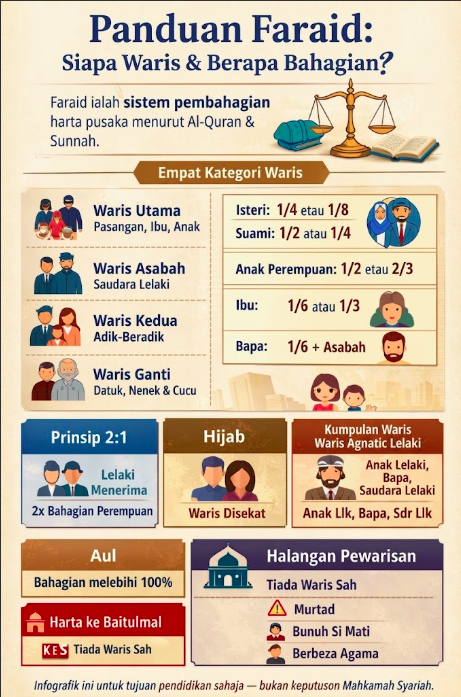
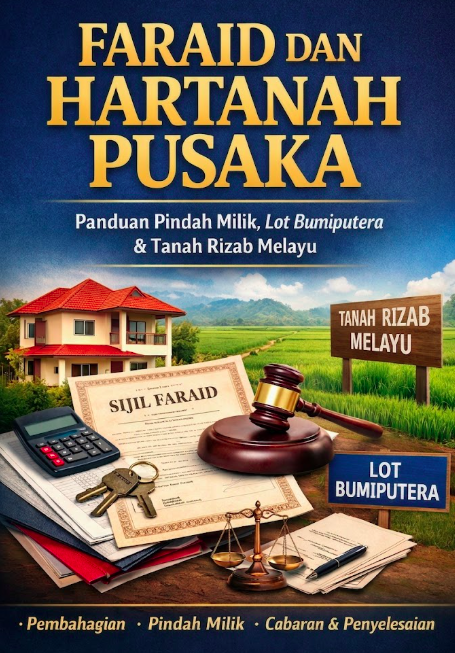
Read also Faraid Inheritance Guide: who are the heirs & how much each one is entitled to and Faraid and Inherited Property — including what happens if the deceased's house is still mortgaged with a bank.
Disclaimer: This article is for educational and general reference purposes only, prepared based on the official guidelines of the Selangor Islamic Religious Council (MAIS) through the portal eFaraid MAIS. It is not legal or financial advice. Please obtain the official Faraid Certificate from the Shariah Court and consult a licensed Shariah lawyer for final decisions, especially in complex debt cases.